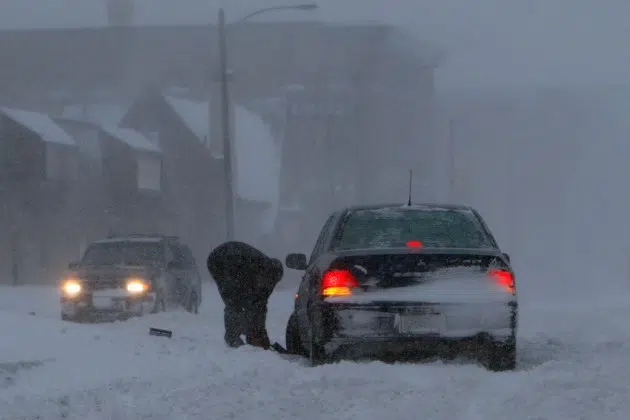
DETROIT LAKES — With winter weather arriving, the City of Detroit Lakes is reminding residents about its Winter Parking Ordinance, which outlines how snow emergencies are declared and when parking restrictions go into effect.
According to city ordinance 802.08, the Public Works Director may declare a snow emergency whenever snow, ice, freezing rain, or other hazardous conditions pose a threat to public safety or may block emergency vehicles and traffic. A snow emergency can last up to 72 hours but may end sooner if conditions improve. If the Public Works Director is out of town or unable to act, the Chief of Police may issue the declaration.
Snow emergency announcements will be made through radio, television, or press, and the first notice must come at least two hours before the emergency goes into effect.
Once a snow emergency is in place, no parking is allowed on any public street or alley designated by the Public Works Director. This includes areas in front of night-eating establishments between 1:00 a.m. and 7:00 a.m., unless the driver is inside the business and available to move the vehicle if it interferes with snow removal.
If a vehicle is left in a restricted area during a snow emergency and the owner cannot be located or refuses to move it, police or city crews may remove the vehicle as allowed under city code.
Parking may resume once plowing and street-cleaning operations are completed, unless other posted parking restrictions apply. On streets where only one side normally allows parking, vehicles may return to that side when snow removal is finished.
Parking on other city streets not included in the designated no-parking zones is allowed unless a vehicle is hindering snow removal or cleanup efforts.
The ordinance, last updated in 2022, is intended to help keep roadways safe and accessible throughout the winter season. Residents are encouraged to stay alert for snow emergency notifications.